Monogram ZGG36N20 repair
36-inch natural gas outdoor center. Service for this model across Tampa Bay.
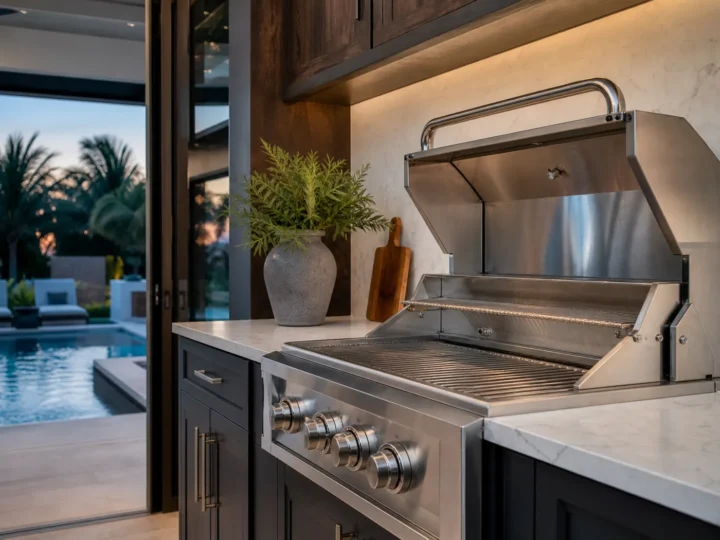
- Model
- ZGG36N20
- Type
- 36-inch natural gas outdoor center
- Years
- Legacy model
- Brand
- Monogram
About the ZGG36N20
The ZGG36N20 is a natural gas outdoor center that combines grill burners, cooktop burners and a smoker with rack, two burners of each kind. Size is roughly 35 7/8 wide by 22 high by 25 5/8 deep, in inches. Its listing covers 1997 through 2021, so it counts as a legacy unit.
Gas arrives from the house line, so step one is proving it reaches the burners: valve at the shutoff open, flex line intact, nothing kinked. Then every burner is lit alone while we watch it. Yellow tips, popping or a flame that keeps dying point us toward ports or igniter and away from supply. Smoker grease gets cleared as we go.
What we check on a ZGG36N20 visit
- Igniter spark and port condition on every burner
- House-side shutoff and flex line
- Flame color and size at each burner
Key features
- Burns natural gas
- Grill burners (2) and cooktop burners (2)
- Smoker and rack in a 36-inch body
The model number is on the data label: inside the door frame, on the drawer edge or behind the kick plate. We are an independent repair company, not affiliated with Haier US Appliance Solutions, Inc..
Other Monogram outdoor grill models
Outdoor GrillZGG27L2027-inch outdoor cooking centerOutdoor GrillZGG27L2127-inch rotisserie outdoor cooking centerOutdoor GrillZGG27N2027-inch natural gas outdoor centerOutdoor GrillZGG27N2127-inch natural gas rotisserie centerOutdoor GrillZGG36L2036-inch outdoor center with smokerOutdoor GrillZGG36L2136-inch propane rotisserie outdoor centerOutdoor GrillZGG36L3036-inch propane three-burner outdoor centerOutdoor GrillZGG36L3136-inch three-burner rotisserie centerZGG36N20 questions
Does a ZGG36N20 use natural gas?
The listing says so, with four burners and a smoker with rack. Even so, we read the data label on site before any burner adjustment.
A burner pops and goes out. What happens next?
The port is cleaned and tested first, then spark and valve. Popping can come from dirt, a weak igniter or a flame disturbed at low settings.