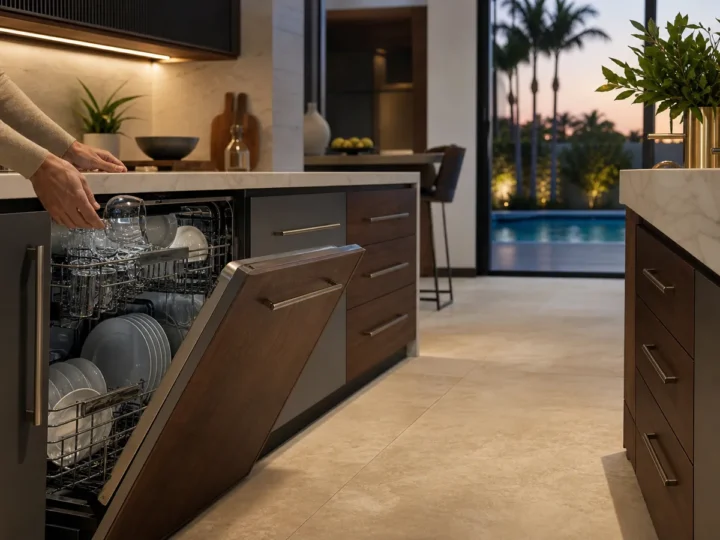
Repair or replace an older Monogram refrigerator or range?
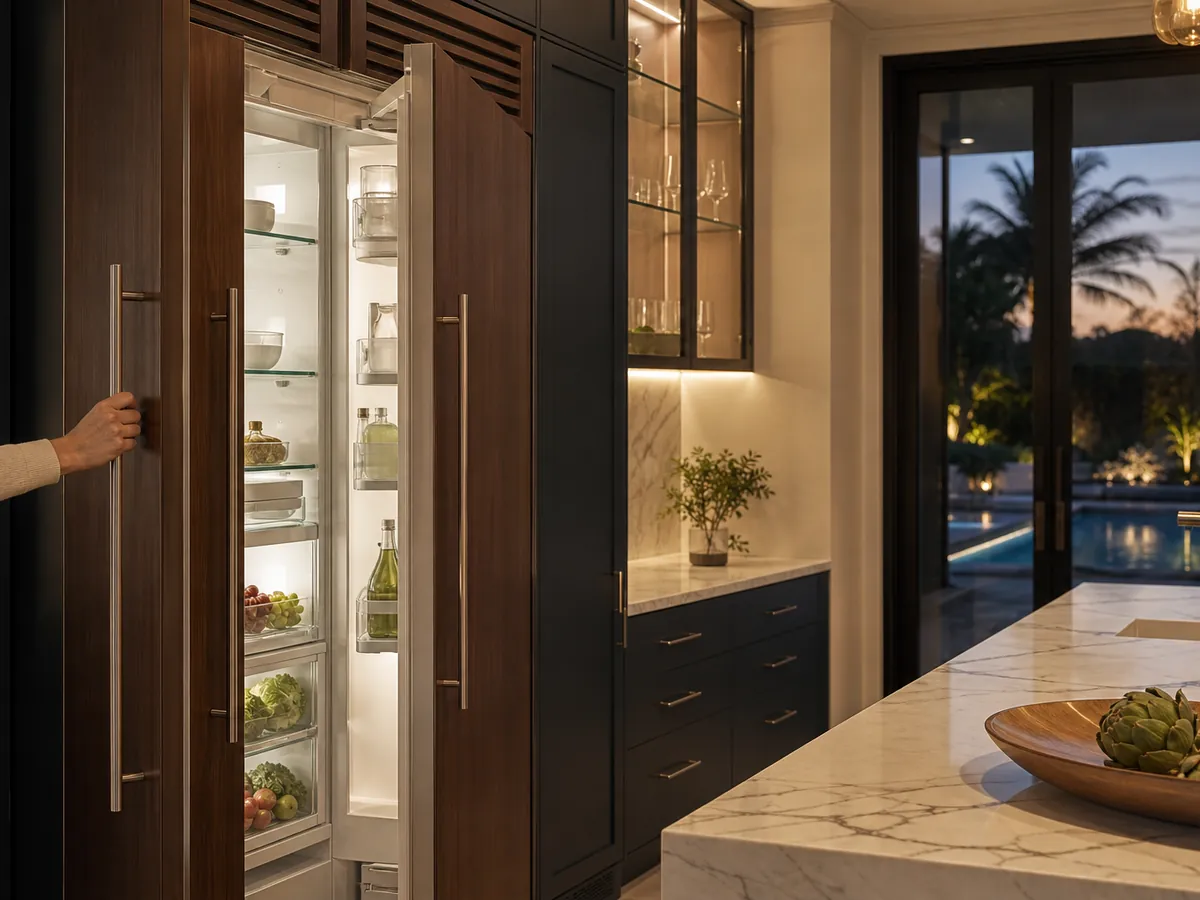
Whether to repair or replace an older Monogram refrigerator or range depends on a written repair price, the age and history of the appliance, whether it fits your cabinetry, and what a replacement really involves. Get the diagnosis and the price in writing first. A decision made before that is a guess.
What should you find out before you decide?
Start with facts, not feelings. Ask for a written diagnosis that names the problem and the part involved. A written price tells you what the repair costs; a replacement quote from a dealer tells you the other side. Put the two next to each other. You need three more pieces of information: the model and serial number, the date you bought the appliance, and a list of earlier repairs.
It also helps to know whether you are still under a warranty or an extended plan. Check your warranty terms before you pay for anything, because a covered problem changes the math. Independent service does not by itself void a warranty under FTC guidance, but the terms decide who pays.
Which problems usually favor repair?
A single failed part on an otherwise sound appliance is the classic case for repair. A range with a bad igniter, a worn door gasket, a failed sensor, or a fan that no longer turns still has a good cabinet, good cooking surface, and good controls. A refrigerator with a defrost problem or a worn door seal likewise has a body that is fine.
Repair also tends to win when the appliance is a built-in that is hard or costly to swap. Monogram refrigerators and ranges are often set into custom cabinetry. A panel-ready refrigerator column is made to match the surrounding cabinets, and replacing it can mean new panels or cabinet changes. In that case, the repair price has to be weighed against the whole project, not just the appliance.
Which problems usually favor replacement?
Repeated failures of different parts suggest the whole appliance is wearing out. A failed sealed system in a refrigerator, meaning the refrigerant circuit that does the cooling, can be a large repair, and whether it makes sense depends on the age of the unit and the quote. A cracked cooktop, a damaged oven cavity, or serious rust and corrosion, which can follow years of salt air or a flood, may point the same way.
Safety also matters. If a part that controls gas or a safety device has failed and the appliance is old, ask the technician whether the repair brings it back to normal operation and whether the part is still available. We do not promise parts. We find out and tell you before any work starts.
How do local conditions affect the decision?
Tampa Bay appliances work in heat and humidity. Salt air near the Gulf and the bay can corrode coils, hinges, and connections faster than in a dry inland home. Frequent surges and outages during storm season stress boards and motors. A home closed for months leaves an appliance idle with moisture inside. None of that decides anything alone, but all of it is worth telling the technician, because it explains what failed and whether it will happen again.
If your appliance sat in floodwater, replace-versus-repair is often not even the question. Our flood article covers why a submerged appliance should not be switched on, and an assessment decides what comes next.
How do the factors compare?
| Factor | Leans toward repair | Leans toward replacement | How to check |
|---|---|---|---|
| Problem | One part failed, rest is sound | Several different parts failing in turn | Ask for a written diagnosis |
| Repair price against replacement | Price is a small share of a new unit | Price is close to a replacement quote | Compare the written repair price with a dealer quote |
| Fit and cabinetry | Built-in or panel-ready, hard to swap | Standard opening, easy to swap | Measure and ask the installer about changes |
| Age and history | Worked well until now | Many earlier repairs | Gather invoices and dates |
| Warranty | Still covered | Out of coverage | Read your warranty terms |
| Condition of the body | Clean, no corrosion | Rust, cracked glass, damaged cavity | Have a technician inspect it |
When should you call a technician?
Call before you shop. A diagnosis costs less than a wrong decision, and it gives you a number to compare. Tell the technician what you plan, such as selling the house, remodeling the kitchen, or keeping the appliance for years. That changes how we describe the options. We can explain what the repair covers, what is still uncertain, and whether the part is available, and then you decide.
If a repair will cost more than you want to put into an old appliance, you owe us nothing beyond the diagnostic visit you agreed to. You hold the written price, and the choice is yours.
Frequently asked questions
Is there a simple rule for repair or replace?
Rules of thumb exist, but none replaces a written price and a real inspection. Use the factors in the table, and weigh your own plans for the kitchen and the appliance.
Will a repair on an old appliance last?
A repair fixes the failed part and we test it. We cannot say how long the rest of the appliance will last. Your 30-day workmanship warranty covers our labor on that repair, and parts have their own terms.
Should I replace both the refrigerator and range together?
Not necessarily. Each appliance has its own condition, price, and fit. If you are remodeling and matching finishes matters, replacing together may make sense. Otherwise decide one at a time.
Where can I find the warranty terms?
Look at your purchase paperwork, the booklet that came with the appliance, and the Monogram support page. The FTC page linked below explains warranty basics in plain language.
Sources
Related guides
Where to find the model and serial label on Monogram appliances
What a Monogram repair visit includes, from diagnosis to warranty